Thinking about a move to Centennial Hills and want a clear lay of the land before you start touring homes? You’re not alone. As a newer, master‑planned pocket of northwest Las Vegas, this area offers a lot of value, outdoor access, and simple freeway connections. In this guide, you’ll get a straightforward orientation to housing types, price ranges, commutes, amenities, HOAs, and a relocation checklist so you can decide if Centennial Hills fits your lifestyle. Let’s dive in.
Why Centennial Hills works
Centennial Hills sits in the northwest corner of the Las Vegas Valley and blends newer single‑family neighborhoods with parks, trails, and easy freeway access. The name and identity took shape in the early 2000s as development moved north and west. You’ll find master‑planned communities, gated enclaves, and plenty of day‑to‑day services nearby.
If you want a suburban feel with mid‑market pricing, Centennial Hills is worth a look. It is largely car‑oriented, which suits most local routines. Public transit exists, including a park‑and‑ride hub, but daily life typically revolves around driving.
Neighborhood orientation
Where it sits
Centennial Hills is commonly described as bounded by the Tule Springs and Floyd Lamb area to the north, the Red Rock foothills to the west, Summerlin to the south, and North Las Vegas to the east. The district’s modern identity formed as large-scale neighborhoods were built in the 2000s. For a quick primer on the area’s background, review the Centennial Hills entry on Wikipedia.
What to expect
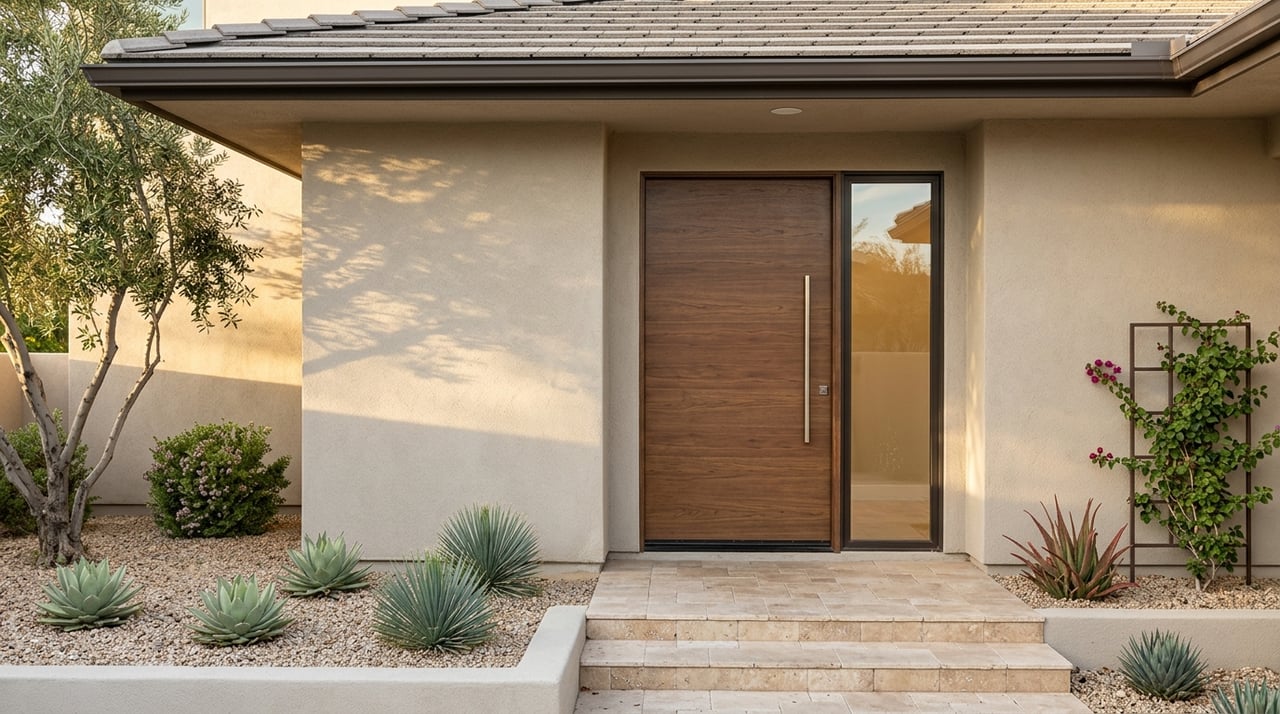
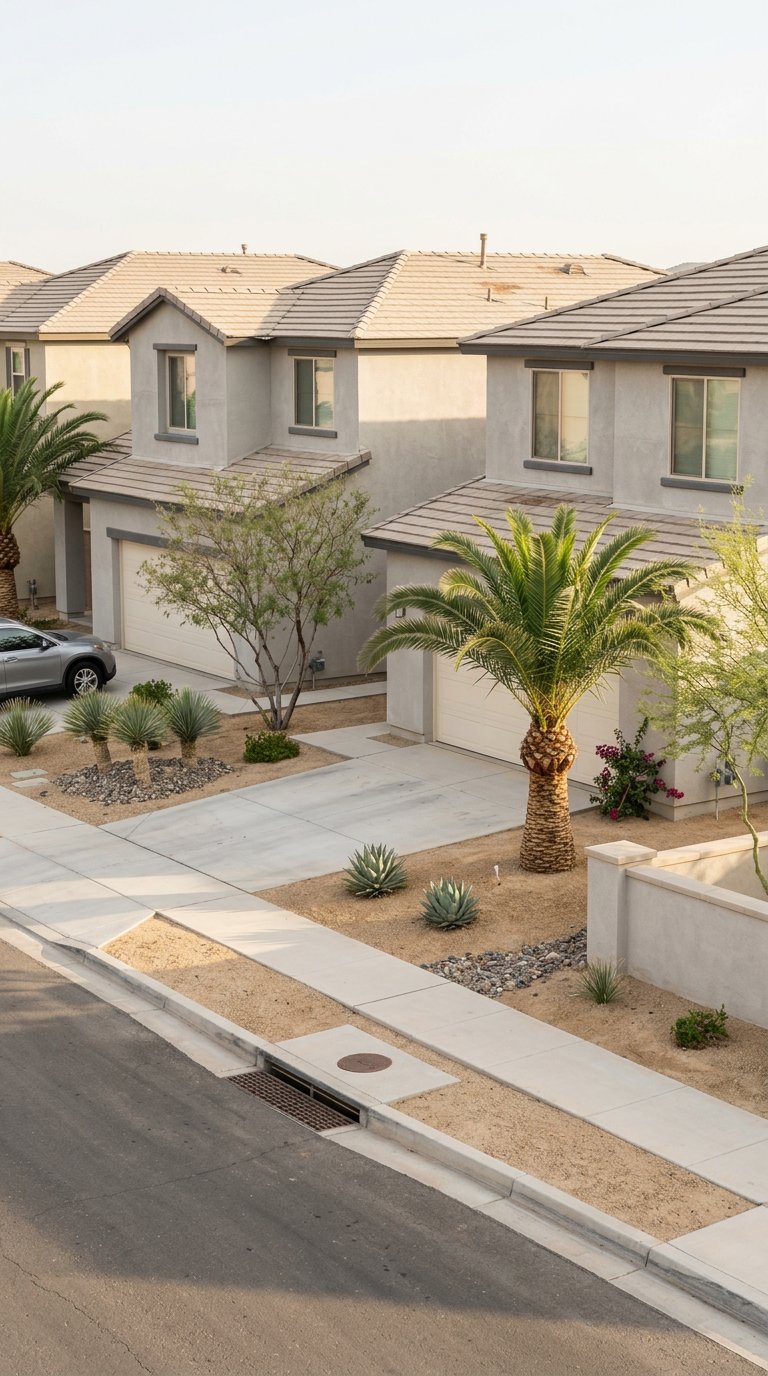
Expect planned streets, newer construction, and community parks. You’ll see townhomes in pockets, but the dominant product is single‑family homes in established villages and master plans. If weekend trips to desert and mountain trails appeal to you, the location puts you close to regional outdoor spots.
Housing types and prices
What you will see on a tour
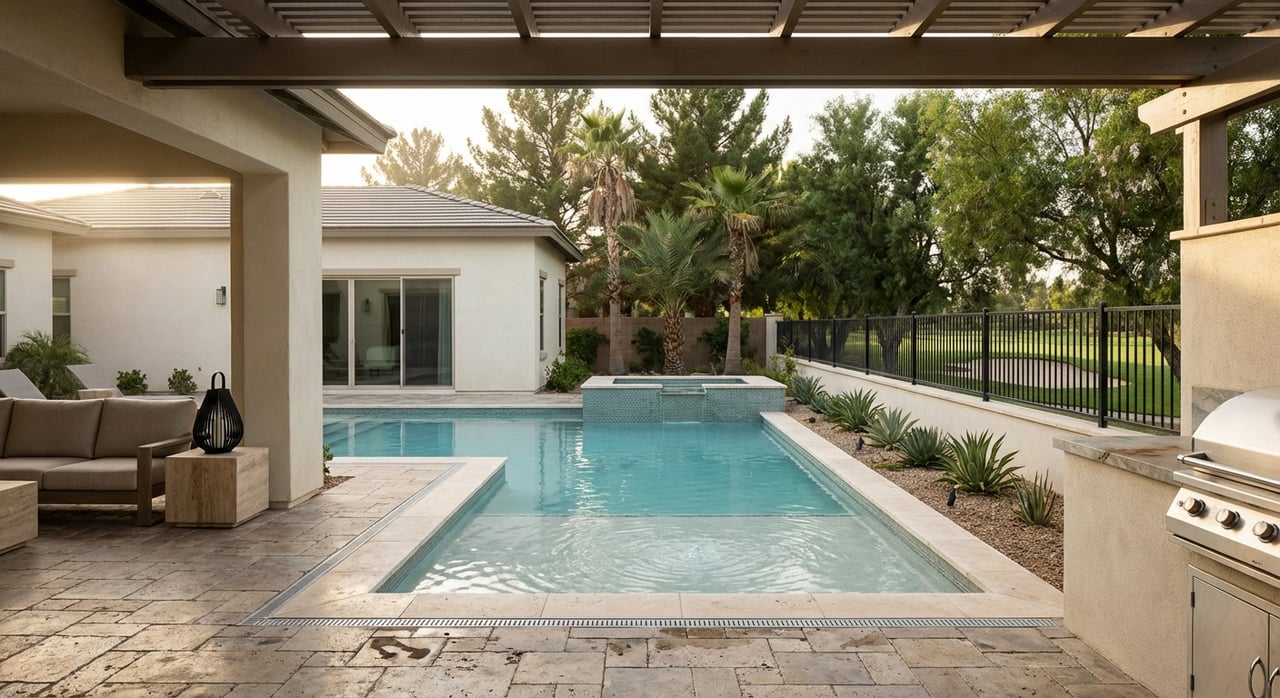
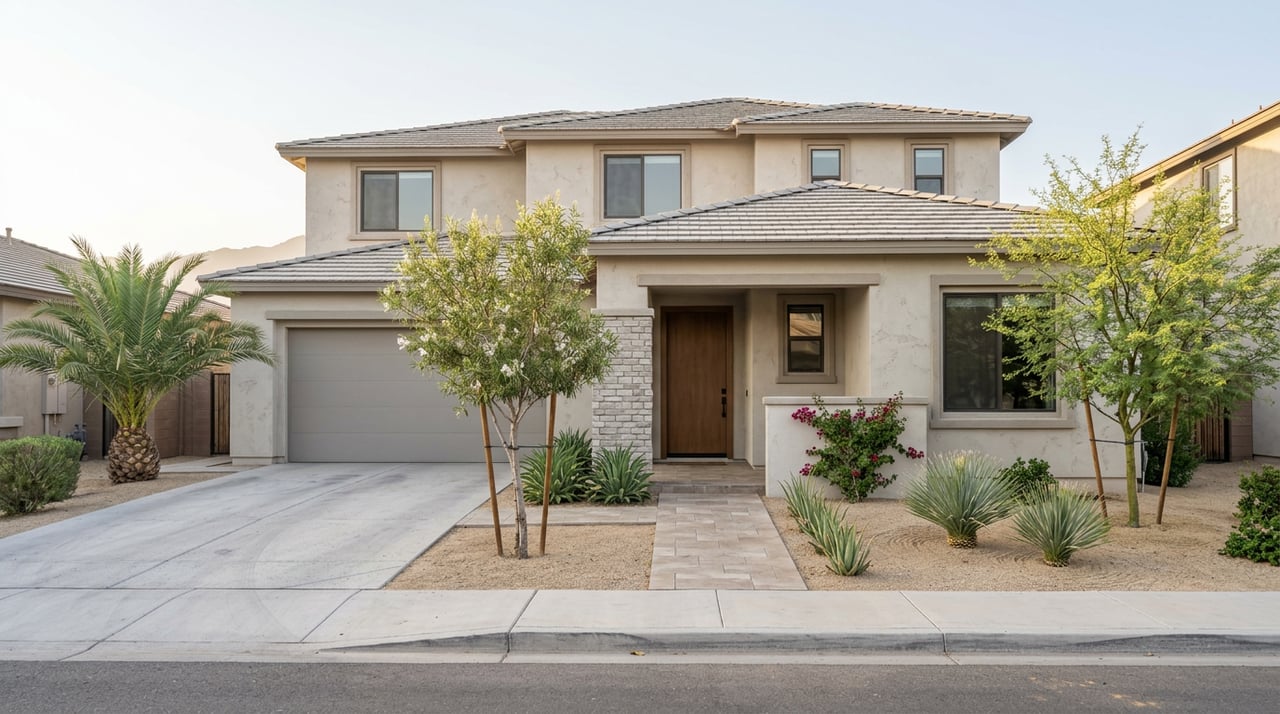
Most homes here were built from the early 2000s forward. Typical floorplans offer 2 to 4 or more bedrooms, with many 1‑ and 2‑story options and 2‑ to 3‑car garages. Yards are suburban in scale, with occasional larger lots in select gated streets. Common living areas range from about 1,600 to over 3,000 square feet, with a big share of inventory around 2,000 to 2,500 square feet.
Price bands to expect
Recent market snapshots point to a mid‑market profile. Published sources have shown a median sale price around $475,000 in early 2026, and median list prices in the low $500,000s, depending on the reporting window and method. Days on market have generally stretched into multiple weeks, suggesting a more balanced environment. Treat these as context and verify current numbers on the day you shop.
- Entry and value: roughly low to mid $400,000s for smaller single‑family homes and some townhomes or older sections.
- Mid‑range mainstream: about $475,000 to $575,000 for many standard single‑family resales.
- Premium upper: roughly $575,000 to $700,000 for larger lots, upgraded finishes, or desirable micro‑locations.
- Luxury: above $700,000 for custom or semi‑custom homes and larger new builds in select areas.
Pricing shifts with season, mortgage rates, and neighborhood factors, so use these bands to set expectations, not hard targets.
New builds and notable builders
You’ll find new and newer neighborhoods within master plans like Skye Canyon and Providence, along with established villages such as Iron Mountain Ranch. National and regional builders have been active here, including Lennar, Toll Brothers, Century Communities, KB Home, Richmond American, and DR Horton. Newer homes often feature energy‑efficiency improvements compared with older resales. For a sense of community amenities and programming in a flagship master plan, review the official pages for Skye Canyon.
Commute and getting around
Freeways and key roads
Two freeways frame life in Centennial Hills: U.S.‑95, which carries the I‑11 designation across parts of the corridor, and the 215 Beltway. Local arterials like Durango, Ann, Decatur, and Centennial Center Boulevard fill in the grid. The Centennial Bowl interchange was a major project completed in 2023 that improved system‑to‑system connections and overall reliability for northwest commutes. You can see details in the Nevada DOT project update.
Drive time ranges
Drive times vary by address and time of day, but common ranges are helpful. From the core of Centennial Hills, the central Strip is often about 20 to 35 minutes, with longer times during peak rush or from the far northwestern edges. Downtown and government centers can be 15 to 30 minutes. Harry Reid International Airport is generally 20 to 35 minutes, especially if you use the 215 Beltway.
Always test the exact route you will use at the exact time you plan to travel. Shift schedules can lighten traffic for hospitality and healthcare workers.
Transit and park‑and‑ride
Centennial Hills has a full-service RTC Transit Center and Park & Ride with approximately 900 parking spaces. Routes like the local 106 and the Centennial Express (CX) connect the area to downtown, the airport, and other hubs. Schedules and frequencies vary, so review the RTC park‑and‑ride information before planning a commute. For most residents, the car remains the primary mode.
Daily life essentials
Parks, trails, and nearby open space
Centennial Hills Park is a signature community space with playgrounds, a splash pad, sports fields, and an amphitheater. It sits next to the Centennial Hills Library, which anchors community programming and events. Explore hours and services on the Centennial Hills Library page. City-led seasonal events often pop up at area parks; you can scan upcoming activities in City of Las Vegas bulletins.
For larger natural areas, Floyd Lamb Park at Tule Springs offers ponds, trails, and historic ranch grounds just north of the neighborhood. Get a feel for the setting from this overview of Floyd Lamb Park. Red Rock Canyon and the Spring Mountains are also reachable in roughly 20 to 40 minutes depending on your starting point and traffic.
Shopping, dining, and services
Daily needs are covered by local retail clusters such as Montecito Marketplace and Montecito Crossing, plus numerous neighborhood centers along Durango and Centennial Center Boulevard. For a reference point within the retail core, see stores in and around Montecito Marketplace. Specialty and larger-format shopping is an easy hop along the 215 corridor and into nearby Summerlin.
Medical access
Centennial Hills Hospital Medical Center anchors health services in the northwest valley, with urgent care clinics nearby. You can confirm facility details on the hospital’s AHD profile. Always map your likely address to the nearest urgent and emergency options as part of your move plan.
Master plans and HOAs
Amenities and programming
Many master‑planned communities include resident‑only amenities such as fitness centers, pools, parks, and local shops, along with neighborhood events. HOA fees typically fund the upkeep of those amenities and common areas. Skye Canyon, for example, highlights community programming and facilities on its official site.
What to ask before you buy
HOA rules and fees vary widely across Centennial Hills. Before you write an offer, ask for the HOA documents and CC&Rs, and verify any rules that matter to you, such as rental policies, paint and landscape guidelines, parking rules, and pet limits. Note any transfer fees, monthly dues, and special assessments. If you are comparing a few neighborhoods, list the amenities you will actually use to judge value versus monthly cost.
Relocation checklist
Use this quick list to “try before you buy” and set clear expectations.
- Do a timed commute test. Drive your actual route at the exact times you will travel. Try both the freeway and a surface‑street alternative. The 2023 completion of the Centennial Bowl improved reliability, which you can confirm in the NDOT update.
- Verify HOA fit. Confirm monthly dues, what they cover, any rental rules, and community standards. Review CC&Rs early so there are no surprises after inspection. For amenities context, browse official community pages like Skye Canyon.
- Check orientation and energy use. In summer, solar exposure, shade, and garage count affect comfort and cooling costs. Ask about window treatments, insulation updates, and HVAC age.
- Map your daily hops. Pin your closest grocery, pharmacy, and coffee stops. Montecito Marketplace and nearby centers serve many addresses. You can get a feel for the hub around Montecito Marketplace.
- Evaluate park and outdoor access. If weekend time outdoors is a priority, time your drives to Red Rock or Mount Charleston on a Saturday morning. Explore nearby nature at Floyd Lamb Park.
- Test a transit option if you prefer not to drive daily. Review schedules and parking at the RTC Centennial Hills Transit Center and Park & Ride. Build in buffer time for lower‑frequency routes.
- Ground your offer in current data. Treat published medians as context. Use current MLS comps, days on market, and neighborhood trends to set price and terms on the exact street you want.
Smart buying strategy
- Know your range. Recent snapshots place the area’s median sale price around the mid $400,000s to low $500,000s depending on source and month. This helps frame your search, but your exact budget and must‑haves should lead.
- Prioritize location inside the location. Proximity to U.S.‑95 and the 215 often reduces drive times. Micro‑locations near parks and trails can add lifestyle value.
- Compare HOA value. If two homes are equal on price and size, the HOA package and fees may be the tiebreaker. List the amenities you will use and put a number on that value.
- Think through seasonality and rates. Inventory and demand shift through the year. Rate changes can impact both affordability and competition. If timing is flexible, monitor trends weekly.
- Inspect with climate in mind. Ask about roof age, HVAC service history, window and insulation upgrades, and water‑wise landscaping. In this climate, those items pay dividends.
Ready to explore Centennial Hills?
If Centennial Hills fits the way you want to live, the next step is to match that lifestyle with the right street, floorplan, and HOA package. You will get the most from your search with clear goals, on‑the‑ground tours, and current market data guiding every decision.
For local advice, private tours, and a finance‑savvy plan tailored to you, connect with Waylon Goebel. As a Las Vegas real estate advisor with three decades of sales and mortgage experience, Waylon pairs neighborhood insight with disciplined negotiation so you can buy with confidence.
FAQs
What is Centennial Hills and where is it in Las Vegas?
- Centennial Hills is a large suburban area in northwest Las Vegas, generally bounded by Tule Springs and Floyd Lamb to the north, the Red Rock foothills to the west, Summerlin to the south, and North Las Vegas to the east. See the area overview on Wikipedia.
What are typical home prices in Centennial Hills right now?
- Recent snapshots show a median sale price around the mid $400,000s and median list prices in the low $500,000s, with days on market in the multiple‑weeks range. Always verify with current MLS data.
How long is the commute from Centennial Hills to the Strip or downtown?
- From the core of the neighborhood, plan about 20 to 35 minutes to the central Strip and 15 to 30 minutes to downtown, depending on traffic, exact address, and time of day.
Does Centennial Hills have public transit or a park‑and‑ride?
- Yes. The Centennial Hills Transit Center and Park & Ride provides parking and bus routes, including local and express options. Review details on the RTC park‑and‑ride page.
What parks and outdoor areas are near Centennial Hills?
- Centennial Hills Park and the adjacent library host community activities. Larger natural spaces include Floyd Lamb Park at Tule Springs nearby, and Red Rock Canyon and the Spring Mountains within a regional drive. Learn more about Floyd Lamb Park.
What should I know about HOAs in master‑planned communities?
- Many neighborhoods are HOA‑governed. Fees and rules vary, often covering amenities like pools, parks, and fitness centers. Request HOA documents early and compare what each community includes. For a master‑plan example, see Skye Canyon.